Physical Address
304 North Cardinal St.
Dorchester Center, MA 02124
Physical Address
304 North Cardinal St.
Dorchester Center, MA 02124

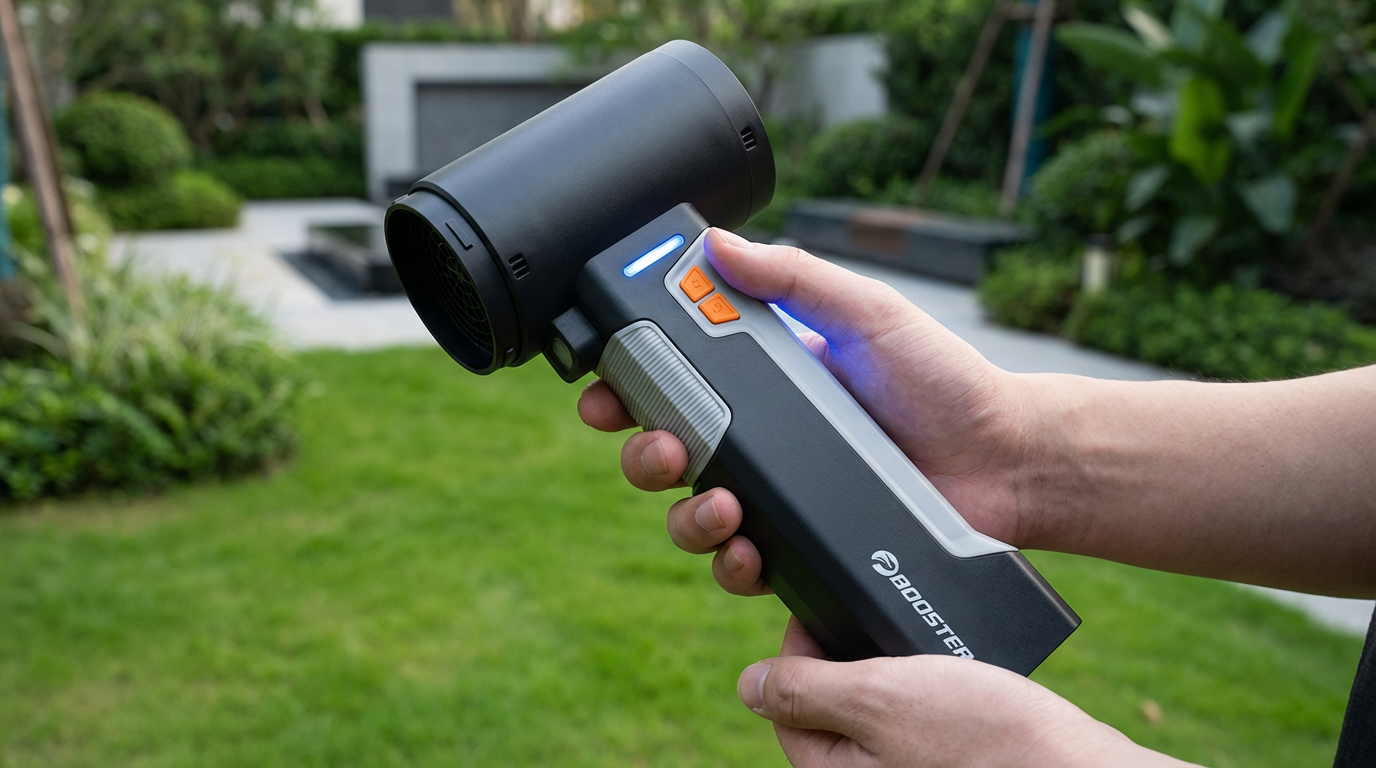
The landscape of yard maintenance has shifted. Forget the days of smelling like gasoline and waking up the entire neighborhood on a Sunday morning. In 2026, the next-gen leaf blower has evolved from a simple “seasonal tool” into a sophisticated, year-round cleaning powerhouse.
Whether you are a homeowner tackling autumn leaves or a car enthusiast looking for the perfect dry, the technology available this year is a game-changer. Let’s dive into why 2026 marks the “tipping point” for outdoor cleaning efficiency
In 2026, “next-gen” isn’t just a marketing buzzword; it represents a fundamental shift in how power is generated and managed.
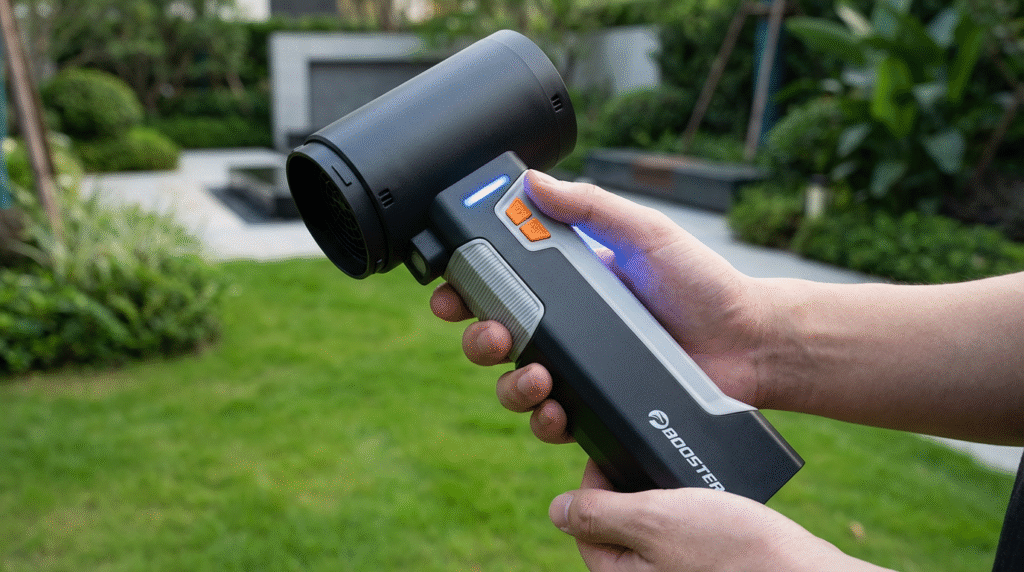
The biggest breakthrough this year is the widespread adoption of High-Torque Digital Motors paired with Solid-State Battery technology. Unlike the lithium-ion batteries of five years ago, 2026 models offer:
30% longer runtimes without the extra weight.
Smarter power delivery: AI-managed chips that prevent overheating and optimize battery discharge based on the debris density.
Whisper-Quiet operation: Many 2026 flagships now operate under 55 dB—quiet enough to have a normal conversation while working.
Gone are the days of the “leaf blower elbow.” Modern engineering has introduced carbon-fiber composites into the chassis, making these tools incredibly light. The ergonomics have been redesigned with a neutral-balance center of gravity, meaning the tool naturally points downward toward the ground, reducing wrist strain during long sessions.
The benchmark for a premium leaf blower in 2026 has moved to 900+ CFM (Cubic Feet per Minute).
The “Wet Leaf” Test: Even matted, rain-soaked leaves that used to require a rake are now easily cleared by 200 MPH concentrated air streams.
Inline Turbine Design: By using jet-engine-inspired fans, the airflow is more laminar (straight), which means more force reaches the ground rather than scattering to the sides.
The benchmark for a premium leaf blower in 2026 has moved to 900+ CFM (Cubic Feet per Minute).
Next-gen blowers now feature variable-speed haptic triggers. Instead of just “On” or “Off,” you can feather the power to:
Gently blow dust out of a garage corner without creating a cloud.
Precision-clear pine needles from delicate mulch beds.
Engage “Turbo Boost” for heavy-duty driveway clearing.
In 2026, users are realizing that a high-quality blower is a 365-day tool.
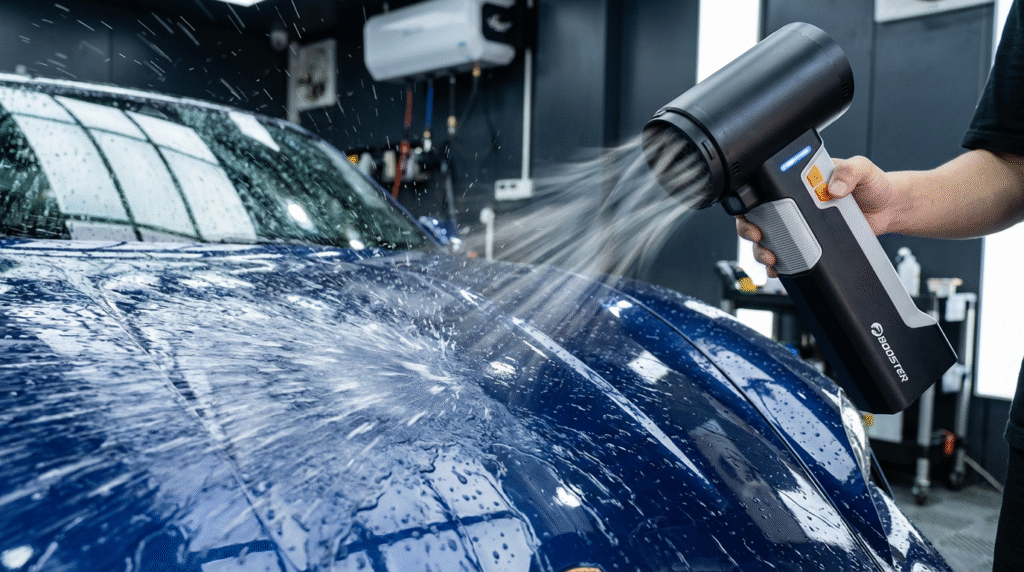
The “Touchless Dry” has become the standard for car detailing. Using a leaf blower to dry a vehicle prevents swirl marks from towels and blasts water out of side mirrors and grilles in seconds. Additionally, for those in colder climates, the high-velocity cold-air output is now the preferred way to clear light, powdery snow from walkways and vehicles.
From drying out a flooded basement floor to clearing cobwebs from high porch ceilings, the versatility of cordless power is unmatched. Some 2026 models even feature reverse-flow attachments, allowing them to act as high-volume inflators for pool toys or air mattresses during camping trips.
If you’re still clinging to your old gas-powered unit, the data from 2026 suggests it might be time for an upgrade.
The “Instant Start” nature of electric tools saves roughly 10-15 minutes of setup time (mixing fuel, priming, pulling cords). When you add in the reduced vibration of modern brushless motors, users report feeling significantly less fatigued after a session.
With the 2026 “Green Zone” regulations in many suburban areas, gas blowers are being phased out due to noise and emissions.
| Feature | Gas-Powered (Legacy) | Next-Gen Cordless (2026) |
| Noise Level | 90-100+ dB | 52-60 dB |
| Maintenance | High (Oil, Filters, Fuel) | Zero (Battery Care Only) |
| Start-Up | Pull-cord (Multiple tries) | Instant Button Press |
| Weight | Heavy & Vibrating | Lightweight & Balanced |
The leaf blower has officially graduated from a “clunky lawn tool” to a high-tech “utility blower.” In 2026, the combination of silent power, extreme CFM, and multi-purpose utility makes it an essential part of any modern home maintenance kit. If you value your time (and your hearing), the move to a next-gen electric blower is the smartest investment you can make for your property this year.
Ready to ditch the noise and upgrade your gear? Don’t settle for last decade’s technology. We’ve benchmarked the top 5 Next-Gen Leaf Blowers of 2026 for battery life, noise levels, and raw CFM power.